
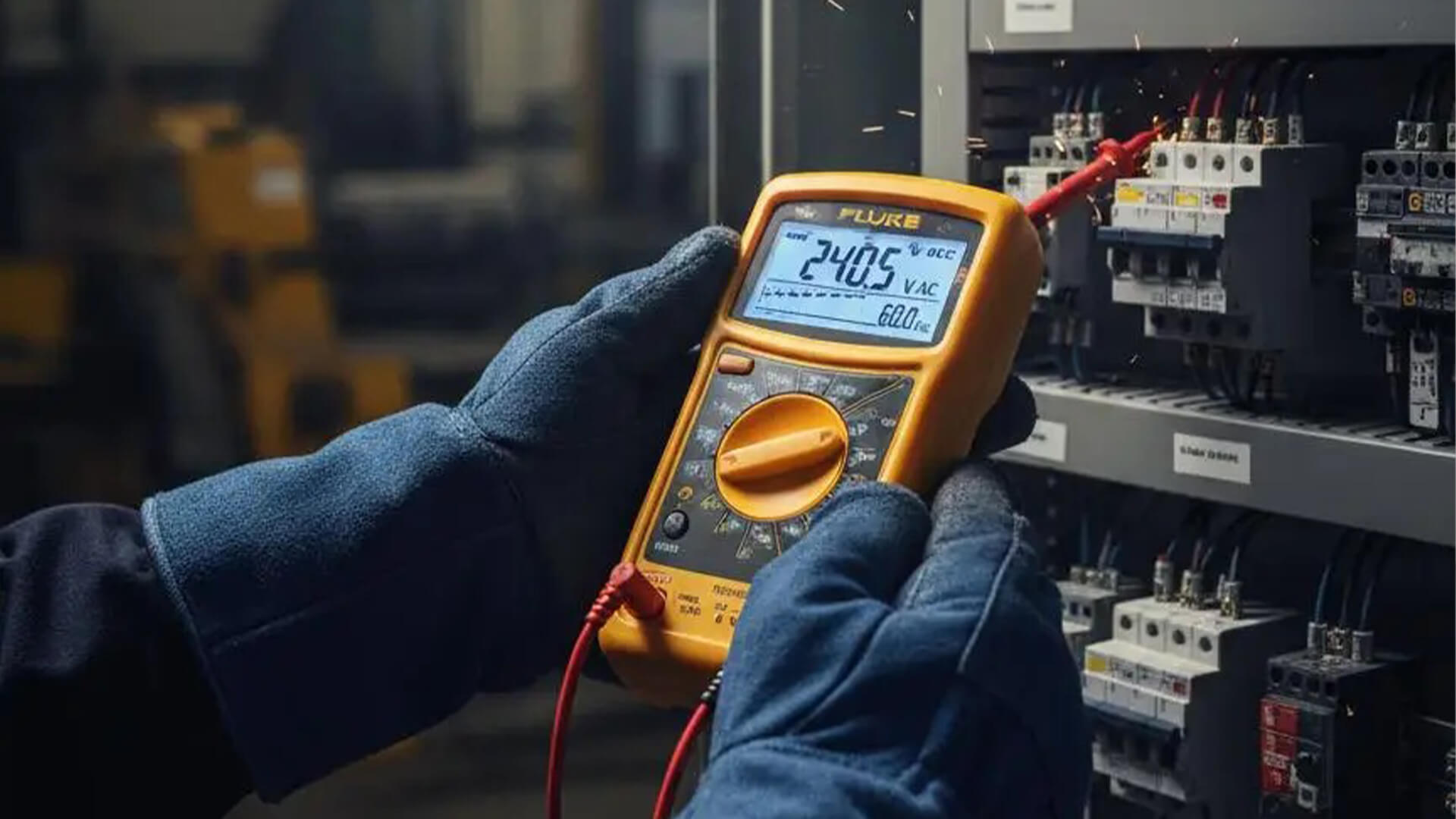
Residual Current Devices (RCDs), commonly known as safety switches, are one of the most important safety devices in your home’s electrical system. In Western Australia, Building and Energy requires two RCDs at properties built after 2000 and at any home that is sold or rented—but simply having them installed isn’t enough. Regular testing is essential to ensure they’re working properly when you need them most.
Life-Saving Fact
RCDs have saved countless lives in Australia by cutting power within milliseconds when they detect an electrical fault. A faulty RCD provides no protection at all.
What is an RCD and How Does It Work?
An RCD constantly monitors the electrical current flowing through your circuits. Under normal conditions, the current flowing through the active wire equals the current returning through the neutral wire. If there’s an imbalance—such as when electricity leaks through a person to earth—the RCD detects this difference and instantly cuts the power, typically within 30 milliseconds.
Common Causes of RCD Tripping
Fault Conditions (Dangerous)
- • Damaged or frayed appliance cords
- • Water entering electrical equipment
- • Faulty appliances with internal shorts
- • Damaged wiring insulation
- • Person touching live parts
Nuisance Tripping (Investigate)
- • Electrical storms and power surges
- • Too many appliances on one circuit
- • Old or deteriorating RCD
- • Incorrect RCD sensitivity rating
- • Neutral-earth faults
Western Australia RCD Requirements
Western Australia has specific requirements for RCDs. According to Building and Energy, two RCDs must be fitted at all properties constructed after 2000 as well as any homes that are being sold or rented, and it strongly recommends more than one RCD per home so that some power stays on when one trips:
Mandatory RCD Requirements in WA
- Newer Homes: Two RCDs must be fitted at properties constructed after 2000
- Property Sales: Homes being sold must have two RCDs installed
- Rental Properties: Homes being rented must have two RCDs installed
- Testing: Building and Energy recommends testing RCDs every three months, at the start of each season
How to Test Your RCD at Home
Every RCD has a test button (usually marked “T” or “TEST”). Here’s how to perform a basic test:
Step-by-Step RCD Test Procedure
- 1Notify occupants that power will be cut during the test
- 2Press the test button firmly on the RCD
- 3The RCD should trip immediately, cutting power to the protected circuits
- 4Reset the RCD by pushing the switch back to the ON position
- 5Power should be restored to the protected circuits
When to Call an Electrician
If your RCD doesn’t trip when you press the test button, or if it won’t reset after tripping, contact a licensed electrician immediately. A non-functioning RCD provides no protection and must be replaced.
Professional RCD Testing
While home testing is important, a licensed electrician can test your RCDs with proper test equipment and check the installation. A licensed electrician can:
- Test the trip time of each RCD with a calibrated test instrument
- Check the RCD is suitable for the circuits it protects
- Check for correct installation and wiring
- Provide a test report
Types of RCDs
Type AC
Detects AC (alternating current) faults only
Suitable for most residential applications. Cannot detect DC fault currents.
Type A
Detects AC and pulsating DC faults
Suitable for most modern appliances. Cannot detect smooth DC fault currents.
Type F
Detects AC, pulsating DC, and high-frequency faults
Specialised applications with variable speed drives and inverters.
Type B
Detects AC, smooth DC, and high-frequency faults
Often specified for EV chargers that do not have their own built-in DC fault protection, and used for some medical equipment and solar inverters. Always follow the charger manufacturer’s installation instructions.
Need Your RCDs Tested or Replaced?
Volt Hub Electrical provides comprehensive RCD testing and installation services across Perth. We ensure your safety switches are working correctly and comply with all Western Australian requirements.
Don’t wait for an emergency—book your RCD test today. Licensed contractor EC16248.