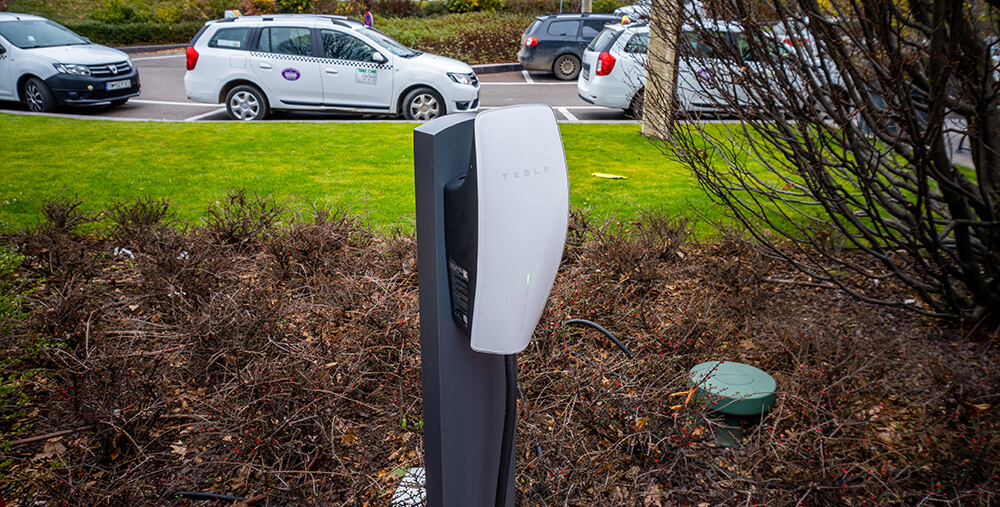



A dedicated charger can provide faster, more convenient and more controlled charging than relying on a standard general-purpose outlet. It also allows the circuit protection, cable size and installation method to be selected for the charger and expected electrical load.
The right solution depends on the vehicle, daily driving, property supply, switchboard, parking arrangement and whether future vehicles or solar integration need to be considered.
You have purchased an electric vehicle and want reliable home charging.
You want faster charging than a standard power point can provide.
The charger manufacturer requires a dedicated circuit.
Your switchboard is older, full or has limited protection.
You need advice on single-phase, three-phase or load management.
The charger will be installed a significant distance from the switchboard.
You need a workplace, strata or selected commercial charging solution.
You have already purchased a charger and require install-only service.
Volt Hub reviews the charger model, vehicle requirements, existing electrical supply, switchboard condition, proposed location and likely cable route.
The available supply and existing loads are considered to determine whether the charger can be added safely or whether load management or switchboard work may be required.
Suitable cabling, circuit protection and isolation are installed according to the charger and property requirements.
The charger is mounted in the agreed position and connected with attention to weather exposure, access, cable protection and appearance.
The completed installation is tested and the customer is shown the relevant operating and isolation points. Charger app setup may be assisted where practical, but account or software support remains subject to the charger manufacturer.
Volt Hub can assess common single-phase and three-phase charger types. Current website examples include Tesla Wall Connector, Wallbox, Zappi and Fronius; approved brands and logos must be reconfirmed before publication.
Supply-and-install and install-only options may be available. Customer-supplied units must be compatible, complete and suitable for the Australian electrical system.
An EV charger does not automatically require a switchboard upgrade, but the board and supply must be checked. Older switchboards, limited circuit space, inadequate protection or high existing demand may require additional work.
Load-management solutions may be useful where the charger needs to adjust charging demand according to other loads in the property. The appropriate approach depends on the charger, meter arrangement and electrical system.