
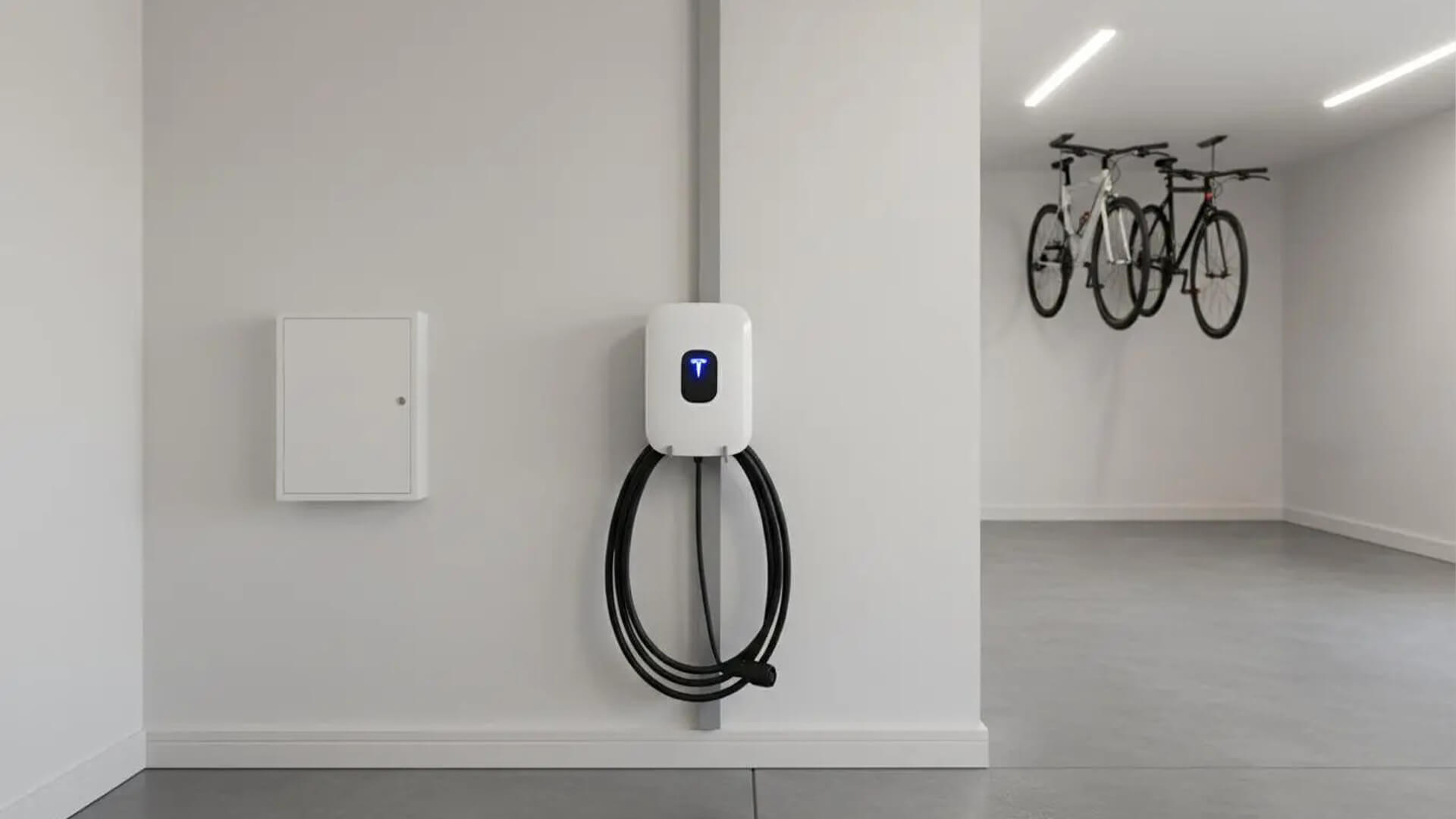
As electric vehicles become increasingly popular in Australia, many Perth homeowners are considering EV charger installation. However, installing an EV charger is not as simple as plugging in a new appliance—it requires careful planning, professional installation, and compliance with strict Australian electrical standards.
Australian Standards Compliance
EV charger installations in Western Australia must comply with AS/NZS 3000:2018 (Electrical Installations) and AS/NZS 3008.1.1 (Cable Selection). Only licensed electricians can perform this work.
Understanding Your Electrical Capacity
Before installing an EV charger, a licensed electrician must assess your home’s electrical capacity. Most Level 2 chargers (the standard for home installation) require a dedicated 32A circuit, which can significantly impact your overall electrical load.
Load Assessment Requirements
Under AS/NZS 3000:2018, your electrician must perform a maximum demand calculation to ensure your supply can handle the additional load. This assessment considers:
- Your existing electrical demand (air conditioning, pool, appliances)
- The capacity of your main switchboard and supply cable
- Whether your main breaker needs upgrading
- If load management systems are required
Types of EV Chargers
Level 1
Standard 10A plug
2.4kW output. Slow charging (40+ hours for full charge). No installation required but not recommended for regular use.
Level 2 ⭐ Recommended
Dedicated 32A circuit
7.2kW output. 6-12 hours for full charge. Requires professional installation with dedicated circuit.
Level 3
DC Fast Charging
50kW+ output. 30-60 minutes for 80% charge. Commercial installations only.
Installation Requirements
A compliant EV charger installation in Western Australia must include:
Mandatory Installation Components
- 1.Dedicated Circuit: A separate circuit from your switchboard with appropriate cable sizing per AS/NZS 3008.1.1
- 2.RCD Protection: Type B RCD (30mA) required for EV chargers to detect DC fault currents, as mandated by AS/NZS 3000:2018 Clause 2.6.3.2.3
- 3.Isolation Switch: Lockable isolator within 2 metres of the charger for maintenance and emergency disconnection
- 4.Earth Connection: Proper earthing system with earth electrode if required
- 5.Surge Protection: Recommended to protect the charger and vehicle from voltage spikes
Western Australian Rebates and Incentives
The Western Australian government offers several incentives for EV adoption:
- Home Charger Subsidy: Rebates available for eligible home charger installations
- Stamp Duty Rebate: Reduced stamp duty for eligible electric vehicle purchases
- Reduced Registration: Lower annual registration costs for EVs
Check the WA Government website for current rebate programs and eligibility requirements.
Smart Charging and Load Management
Modern EV chargers often include smart features that can help manage your home’s electrical load:
- • Scheduled Charging: Program your charger to operate during off-peak hours when electricity rates are lower
- • Dynamic Load Balancing: Automatically adjusts charging speed based on your home’s current electrical demand
- • Solar Integration: Some chargers can prioritise charging from your solar panels
- • App Control: Monitor and control charging remotely via smartphone apps
Important Safety Warning
Never attempt to install an EV charger yourself. DIY installation is illegal in Western Australia and can void your vehicle warranty, home insurance, and create serious fire and electrocution hazards. Always use a licensed electrician who will provide a Certificate of Compliance for Electrical Work (CCEW).
Ready to Install Your EV Charger?
Volt Hub Electrical is experienced in EV charger installations across Perth. We’ll assess your electrical capacity, recommend the right solution, and ensure full compliance with all Australian Standards.
Contact us for a free site assessment and quote. Licensed contractor EC16248.