
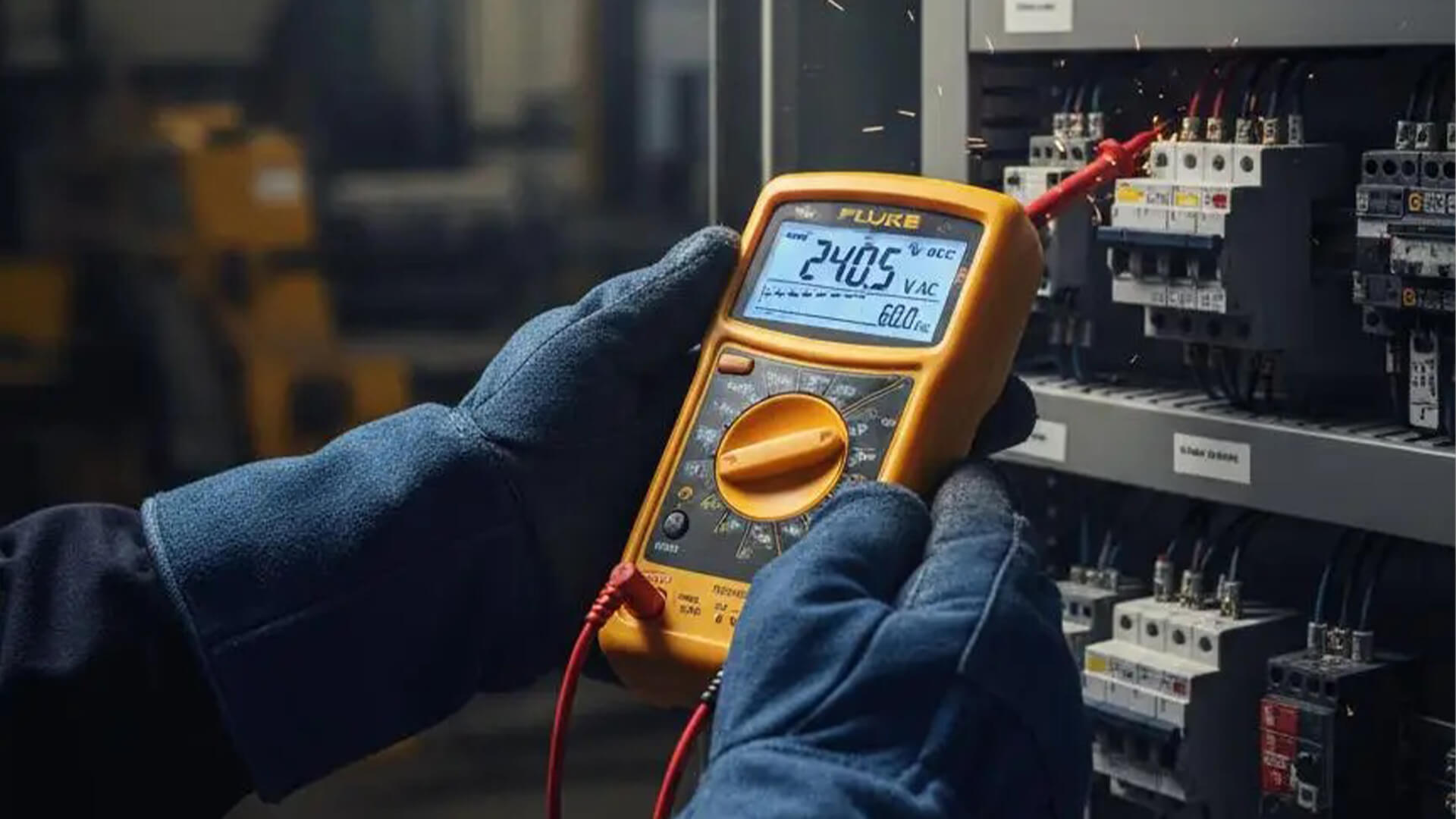
Residual Current Devices (RCDs), commonly known as safety switches, are one of the most important safety devices in your home’s electrical system. In Western Australia, RCDs are mandatory for all new installations and rental properties—but simply having them installed isn’t enough. Regular testing is essential to ensure they’re working properly when you need them most.
Life-Saving Fact
RCDs have saved countless lives in Australia by cutting power within milliseconds when they detect an electrical fault. A faulty RCD provides no protection at all.
What is an RCD and How Does It Work?
An RCD constantly monitors the electrical current flowing through your circuits. Under normal conditions, the current flowing through the active wire equals the current returning through the neutral wire. If there’s an imbalance—such as when electricity leaks through a person to earth—the RCD detects this difference and instantly cuts the power, typically within 30 milliseconds.
Common Causes of RCD Tripping
Fault Conditions (Dangerous)
- • Damaged or frayed appliance cords
- • Water entering electrical equipment
- • Faulty appliances with internal shorts
- • Damaged wiring insulation
- • Person touching live parts
Nuisance Tripping (Investigate)
- • Electrical storms and power surges
- • Too many appliances on one circuit
- • Old or deteriorating RCD
- • Incorrect RCD sensitivity rating
- • Neutral-earth faults
Western Australia RCD Requirements
Western Australia has strict requirements for RCD installation and maintenance under the Electricity Act 1945 and AS/NZS 3000:2018. Since 2009, RCDs have been mandatory for all new residential installations:
Mandatory RCD Requirements in WA
- New Installations (since 2009): All socket outlet and lighting circuits must have RCD protection
- Property Sales: Sellers must ensure RCDs are installed before settlement
- Rental Properties: Landlords must ensure RCDs are installed and maintained
- Sensitivity: 30mA rating for personal protection
- Response Time: Must trip within 300ms at 30mA, or within 40ms at 150mA (5x rated)
- Testing: Homeowner testing every 6 months; professional testing per AS/NZS 3760
How to Test Your RCD at Home
Every RCD has a test button (usually marked “T” or “TEST”). Here’s how to perform a basic test:
Step-by-Step RCD Test Procedure
- 1Notify occupants that power will be cut during the test
- 2Press the test button firmly on the RCD
- 3The RCD should trip immediately, cutting power to the protected circuits
- 4Reset the RCD by pushing the switch back to the ON position
- 5Power should be restored to the protected circuits
When to Call an Electrician
If your RCD doesn’t trip when you press the test button, or if it won’t reset after tripping, contact a licensed electrician immediately. A non-functioning RCD provides no protection and must be replaced.
Professional RCD Testing (AS/NZS 3760)
While home testing is important, professional testing every 2 years ensures your RCDs meet all safety requirements. A licensed electrician will:
- Test the trip time at rated current (30mA) – must trip within 300ms
- Test the trip time at 5x rated current (150mA) – must trip within 40ms
- Verify the RCD meets current Australian Standards
- Check for correct installation and wiring
- Provide a test report and Certificate of Compliance
Types of RCDs
Type AC
Detects AC (alternating current) faults only
Suitable for most residential applications. Cannot detect DC fault currents.
Type A
Detects AC and pulsating DC faults
Suitable for most modern appliances. Cannot detect smooth DC fault currents.
Type F
Detects AC, pulsating DC, and high-frequency faults
Specialised applications with variable speed drives and inverters.
Type B ⭐ Required for EV Chargers
Detects AC, smooth DC, and high-frequency faults
Mandatory for EV chargers per AS/NZS 3000:2018. Also used for medical equipment and solar inverters.
Need Your RCDs Tested or Replaced?
Volt Hub Electrical provides comprehensive RCD testing and installation services across Perth. We ensure your safety switches are working correctly and comply with all Western Australian requirements.
Don’t wait for an emergency—book your RCD test today. Licensed contractor EC16248.